Introduction: The Balancing Act of Modern Branding
Have you ever watched a brand you love suddenly hop on a viral dance challenge or adopt slang that makes your skin crawl? It feels like seeing your cool aunt trying to fit in at a high school party. It is awkward, forced, and makes you wonder if they have lost their sense of self. In the digital age, we are bombarded with new content, hashtags, and cultural moments every single hour. The pressure to jump on the bandwagon is immense because staying relevant feels synonymous with survival.
However, there is a fine line between being a participant in the conversation and becoming a parody of yourself. Using trends is a powerful tool for growth, but it requires a surgeon’s precision rather than a sledgehammer approach. If you treat your brand identity like a coat that you change every season based on the latest fashion, your audience will never truly know who you are. Let us dive into how you can ride the waves of popularity without losing your anchor.
Why Chasing Trends Feels Like a Trap
The allure of a viral trend is easy to understand. Algorithms love fresh, relevant content. When a specific sound, meme format, or challenge is trending, platforms often boost that content to a wider audience. It is an invitation to get discovered by people who have never heard of you. But here is the catch: if the only reason people find you is because you are doing exactly what everyone else is doing, why should they stay?
Think of trends as a temporary boost of caffeine. They give you a quick spike in energy and visibility, but they are not a substitute for a healthy diet. If you rely solely on trends to drive your brand, you are essentially building your house on rented land. You are at the mercy of platform algorithms and shifting cultural winds instead of building a loyal community that sticks around for who you are, not what you are copying.
Defining Your Brand Core Before You Start
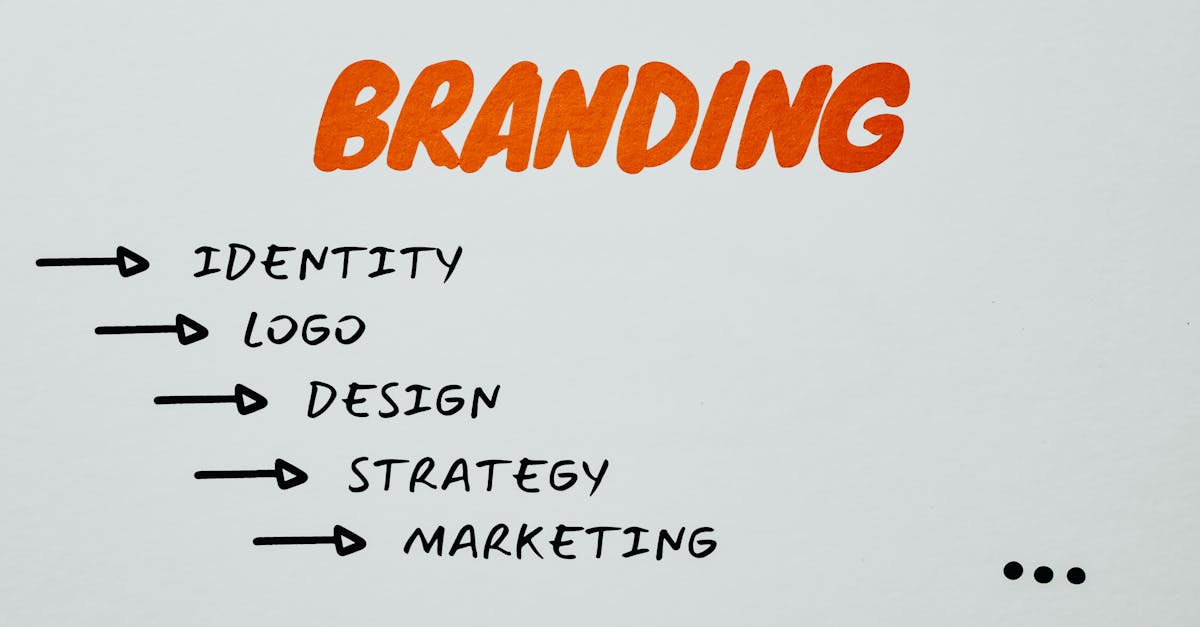
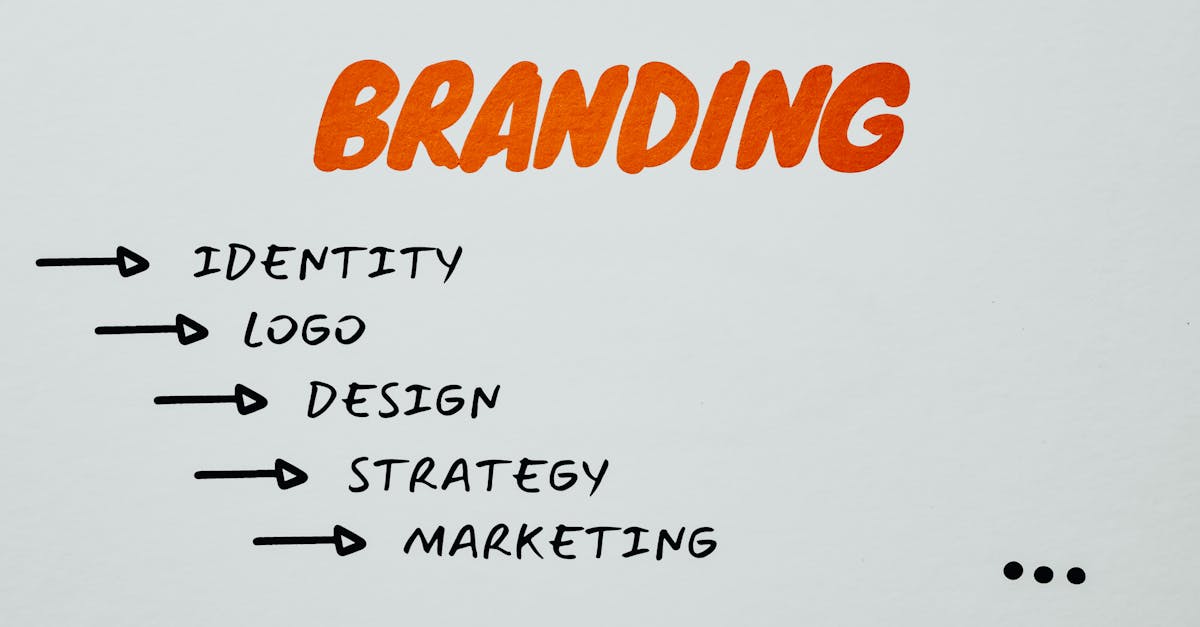
Before you ever consider posting a trending piece of content, you need to know exactly who you are. Your brand identity is not just your logo or your color palette. It is your mission, your values, and the specific way you solve problems for your customers. If your brand is inherently serious and academic, jumping into a lighthearted, chaotic trend might cause a massive disconnect.
Ask yourself these questions: What do we stand for? What is our unique perspective on our industry? What would our brand never, ever do? If you can answer those, you have established your guardrails. These guardrails are not there to keep you from growing; they are there to ensure that every step you take in the digital world is a step in the right direction for your long term goals.
The Three Point Filter: Is This Trend For Us?
To avoid the trap of trend chasing, I recommend running every potential content idea through a simple three point filter. This keeps you grounded and saves you from the embarrassment of a forced post.
1. Does this trend align with our brand values? If the trend is controversial, insensitive, or just plain weird for your brand voice, skip it immediately.
2. Can we add unique value? If you are just replicating what thousands of other accounts are doing, you are noise. How can you tweak the trend to speak to your specific audience?
3. Does our target audience care? Sometimes a trend is huge, but it is entirely irrelevant to the people you actually want to sell to. Do not chase vanity metrics at the expense of your actual customers.
Authenticity Always Outperforms Speed
There is a dangerous myth in marketing that says you have to be the first to post a trend. While speed matters, authenticity matters much more. Users are surprisingly good at sniffing out fake energy. When a brand clearly does not understand the nuance of a joke or the meaning behind a sound, it shows. It is better to skip a trend entirely than to participate in a way that feels hollow or confused.
Think of it like a conversation at a dinner table. If you jump into a topic you do not understand just to be heard, you look foolish. But if you take a moment to listen, understand the context, and then add a thoughtful, genuine comment, people listen. That is the gold standard for brand interaction.
Adaptation Versus Adoption: Knowing the Difference
There is a massive difference between adopting a trend and adapting it. Adopting means taking the trend exactly as it is and hoping it works for you. Adapting means taking the DNA of the trend—the humor, the format, or the visual style—and translating it into the language of your brand.
For example, if a video editing style is trending because it is fast and upbeat, you do not have to use the exact same music or subject matter. You can use that same fast paced editing style to show behind the scenes footage of your team working. You have kept the aesthetic trend while keeping the content firmly rooted in your own brand identity.
Maintaining Visual Consistency in a Changing Landscape
Your visuals are your calling card. Even when you are experimenting with trends, your brand needs to be recognizable within the first three seconds of a video or a glance at an image. This means keeping your fonts, your lighting style, and your color grading consistent even when the format changes.
Think of it like a famous movie franchise. Even if the director changes for a sequel, the movie still has to feel like part of the same world. Your audience should be able to see a post from you in their feed and know it is yours before they even look at the username. That level of recognition is built through years of consistency, and it should not be sacrificed for a fleeting viral moment.
Keeping Your Tone Steady While the World Shifts
Your tone of voice is the personality behind your brand. Are you the witty, sarcastic friend? The professional, reliable advisor? The bold, rebellious challenger? If you suddenly switch your tone to match a trend, your audience will experience whiplash. It is like your reliable, serious accountant suddenly trying to act like a TikTok influencer. It is disorienting.
If you are a professional brand, you can still participate in trends by providing a witty or analytical take on them. You do not have to change your personality. You just have to change the context through which you view the trend.
When to Say No: Protecting Your Reputation
Sometimes the best marketing decision you can make is to stay silent. Not every trend is meant for every brand. If a trend relies on mockery, divisiveness, or a level of casualness that clashes with your professional integrity, walk away. Protecting your brand reputation is far more important than getting a temporary bump in engagement.
Remember, once it is on the internet, it stays there. If you participate in something that ages poorly or becomes a subject of controversy, it could haunt your brand for years. Trust your gut. If your internal team feels uneasy about a post, that is a red flag you should respect.
Leveraging Micro Trends for Niche Engagement
Instead of chasing massive global trends, focus on micro trends within your specific niche. These are often more effective because they are highly relevant to your audience. These might be specific technical debates in your industry, niche memes that only your community understands, or shifts in how your customers talk about their problems.
Micro trends allow you to build deeper authority. When you participate in these, you are showing your community that you are listening and that you are an active part of their world. It builds trust and loyalty in a way that generic, mass appeal trends simply cannot.
Case Study: Brands That Nailed the Pivot
Look at companies like Duolingo. They lean into chaotic, funny, and sometimes bizarre trends, yet they never lose their core identity as a language learning app. How? Because their mascot, Duo, is consistently characterized as unhinged. Even when they are participating in a trend that has nothing to do with learning Spanish, it fits the personality they have meticulously built.
They adapted the trend to fit their established character. They did not become the trend; they made the trend serve their brand. That is the blueprint for success. You want the trend to work for you, not the other way around.
Common Pitfalls to Avoid During Viral Waves
One of the biggest mistakes brands make is being too late. By the time you notice a trend, create an internal request for approval, get it approved, shoot it, edit it, and post it, the trend is often dead. If you are going to play this game, you need an agile process. If you cannot be agile, you are better off focusing on evergreen content that provides long term value.
Another pitfall is trying to be everything to everyone. You cannot be the brand that is serious, funny, rebellious, and professional all at the same time. Pick a lane and stay in it. Your brand identity is a magnet; it attracts the right people by repelling the wrong ones.
Data Driven Decisions Versus FOMO
It is easy to get caught up in the Fear Of Missing Out. But what does your data actually say? Look at your past content performance. Which posts have historically driven conversions? Which ones have built your email list? If your data shows that educational, long form content works best for your business, do not abandon it just because a short dance video is trending.
Use your data to inform your strategy. If you want to experiment with trends, treat it like a test. Run a few experiments, track the performance, and see if they actually contribute to your business goals. If they do not, cut them loose without regret.
Long Term Brand Equity Versus Short Term Gains
Every post you make is a deposit into your brand bank account. Some posts are high risk, high reward. Others are steady, reliable investments. Trends are often the high risk, high reward category. They might get you a surge in followers today, but those followers will unfollow you tomorrow if you do not deliver the value they signed up for.
Always prioritize long term equity. A loyal community that loves your brand for its unique voice is worth infinitely more than a million followers who only followed you for a single viral video. Build your brand for the long haul, not for the next twenty four hours of exposure.
Conclusion: Staying True While Staying Relevant
Using trends is not about sacrificing your soul for a click. It is about finding the intersection between what the world is currently talking about and what your brand stands for. You do not have to be a trendsetter, but you should never be a trend imitator. Be a translator. Take the cultural energy, filter it through your brand identity, and serve it back to your audience in a way that only you can.
Ultimately, your audience is looking for a connection. They are not coming to your page to watch you act like everyone else. They are coming to hear your perspective, feel your energy, and see how you see the world. Stay true to your roots, keep your values in mind, and do not be afraid to say no to the noise. Authenticity is the only trend that never goes out of style.
Frequently Asked Questions
1. How do I know if a trend is right for my brand?
If the trend aligns with your core values and helps you communicate your message in a new, engaging way, it is likely a good fit. If it feels like you are pretending to be someone else or if it contradicts your brand voice, skip it.
2. Is it okay to skip trends entirely?
Absolutely. In fact, many successful brands thrive by ignoring trends completely and focusing on creating deep, high quality content that provides long term value to their audience. Consistency in your own lane is better than inconsistency in everyone else’s.
3. How can I balance trends with my professional identity?
The best way is to provide a professional commentary on a trend. You can use your expertise to analyze why a trend is happening or how it impacts your industry. This allows you to stay relevant without abandoning your professional, expert status.
4. What should I do if a trend I participated in receives negative feedback?
Be honest and transparent. If you made a genuine mistake, apologize sincerely and explain your perspective. If the feedback is just from people who do not like your pivot, stick to your guns, but evaluate whether the change was worth it for your brand health.
5. How often should I try to jump on a trend?
There is no magic number. Use trends sparingly and strategically. Treat them as an occasional spice in your content mix, not as the main dish. Prioritize the quality of your content over the frequency of your trend participation.