The Future Of Marketing In A Digital First World
Have you ever felt like your phone is reading your mind? You talk about buying a specific pair of hiking boots, and ten minutes later, they appear in your social media feed. It feels like magic, but it is actually the result of a massive shift in how businesses connect with people. We are living in a digital first world where the traditional boundaries between life and the internet have completely dissolved. For marketers, this is both the most exciting and the most terrifying time to be in the industry.
The Evolution of Marketing: From Billboards to Algorithms
Back in the day, marketing was a one way street. A brand would shout from a billboard or a television ad, hoping that someone somewhere would hear them. It was a game of volume. Today, that model is effectively dead. Marketing has evolved into a two way conversation. We have moved from broad demographic targeting to precise, intent based interactions. Imagine trying to throw a dart at a spinning board while blindfolded. That was marketing twenty years ago. Now, we are using heat seeking missiles that know exactly where the target is moving before it even gets there.
Data is the New Currency
If attention is the gold of the digital age, data is the map that helps you find the mines. Every click, scroll, and hover provides a breadcrumb trail of human behavior. But here is the catch: data is useless if it just sits in a database collecting dust. The future of marketing belongs to those who can translate that data into meaningful human experiences. You need to look past the spreadsheets and see the person behind the screen. Are they frustrated? Are they looking for a solution to a problem? Understanding this is what separates the winners from the losers.
Navigating the Privacy Paradox
We are currently facing a privacy paradox. Consumers want experiences that feel incredibly personal, yet they are increasingly protective of their private information. How do you square that circle? The answer lies in transparency. When you are honest about why you are collecting data and demonstrate clearly how it benefits the user, they are much more likely to trust you. It is about building a relationship rather than extracting information.
The Power of Hyper Personalization
Generic email blasts are rapidly becoming relics of the past. Why send a discount for running shoes to someone who only buys business attire? Hyper personalization is about delivering the right message at the right moment in the right context. It is like having a personal shopper who knows your taste better than you do. It requires sophisticated tools, but the payoff is immense because it makes the customer feel valued rather than targeted.
Artificial Intelligence: The Marketing Engine
Artificial Intelligence is not just a buzzword; it is the skeleton key for the future of marketing. It is essentially giving your marketing team a supercomputer brain that never sleeps. AI allows us to process vast amounts of information in milliseconds. It handles the heavy lifting, allowing human marketers to focus on the creative, emotional side of the job. You cannot compete with a machine in terms of processing speed, so why bother trying? Instead, use the machine to clear the path so you can focus on building brand loyalty.
Marketing Automation Beyond Email
We used to think of automation as simple autoresponders. Today, it is an intricate web of triggers and workflows. If a customer visits your product page twice but does not buy, an automated sequence can offer a helpful guide or a limited time incentive. It is about nurturing the customer through the funnel without manual intervention. It allows your brand to be present at every stage of the journey, no matter how many customers you have.
Predictive Analytics and Consumer Intent
Predictive analytics allows us to look into the future, at least to an extent. By analyzing historical behavior, algorithms can forecast what a customer is likely to do next. This is the difference between reacting to a purchase and anticipating a need. It transforms marketing from a reactive process into a proactive strategy. You are no longer chasing customers; you are meeting them where they are going to be.
Content is Still King, But the Crown is Changing
Content is still the foundation, but the format is evolving rapidly. We are seeing a shift away from long, static blogs toward dynamic, interactive, and snackable content. People are busy and their attention spans are shorter than ever. You have about three seconds to capture interest. If your content does not add value, entertain, or educate immediately, the user is already gone.
The Rise of Short Form Video Dominance
Short form video is the undisputed ruler of modern engagement. Think about the platforms where people spend most of their time. They are scrolling through feeds of quick, high energy videos. If your brand is not using video, you are effectively invisible to a massive portion of the population. Video allows you to show, not just tell, which builds a deeper emotional connection much faster than text alone.
Voice Search and the Conversational Shift
With the ubiquity of smart speakers and digital assistants, the way people search is changing. We do not type like we talk. Typing is formal; talking is conversational. Optimizing for voice search means moving away from rigid keywords and toward natural language queries. You need to answer the questions that people are actually asking their devices.
Social Commerce: Where Social Media Meets the Checkout Line
Social media platforms are no longer just places to share photos or connect with friends. They are becoming storefronts. The ability to purchase a product directly within an app is changing the conversion funnel entirely. It removes the friction of jumping from a social post to a browser and then to a checkout page. In the future, the distance between discovering a product and owning it will be one single click.
The Metaverse and Immersive Marketing Experiences
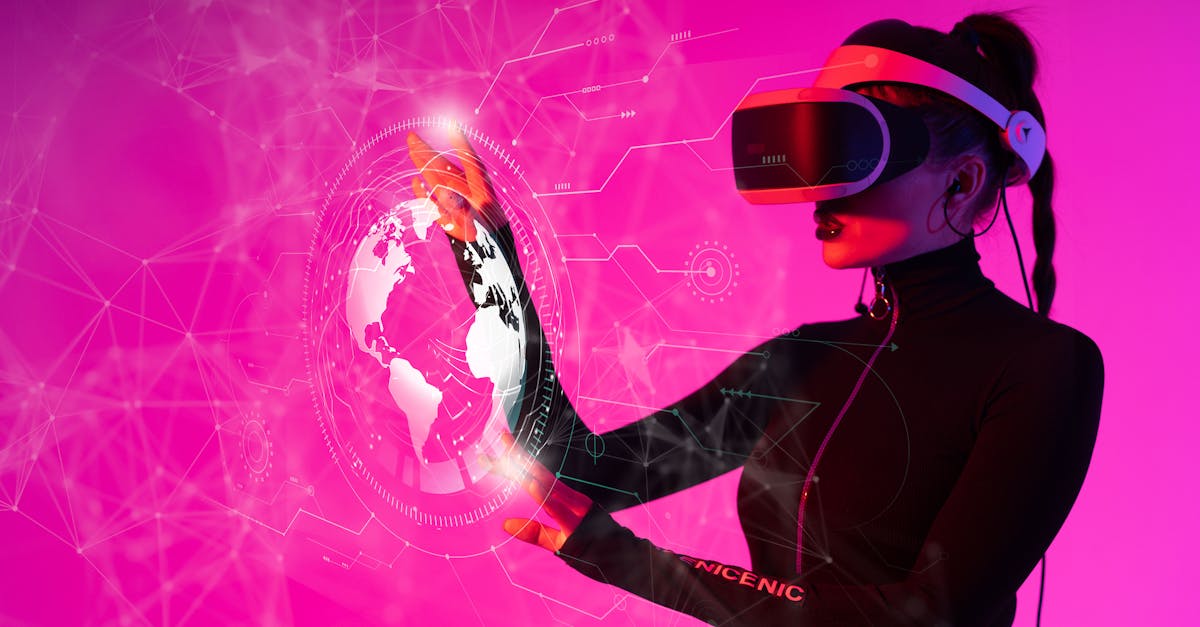
While the Metaverse might sound like science fiction, it represents the next frontier of immersive branding. It is about creating spaces where consumers can interact with products in a digital environment. Imagine trying on virtual clothes or testing a piece of equipment in a simulated world. It bridges the gap between physical retail and digital convenience. Brands that figure out how to provide genuine value in these digital spaces will lead the next wave of engagement.
The Growing Importance of Brand Ethics and Purpose
Modern consumers are incredibly savvy. They do not just care about what you sell; they care about who you are as a company. They want to know your stance on environmental issues, labor practices, and social equity. Purpose driven marketing is no longer optional. If your brand does not stand for something, it will likely stand for nothing in the eyes of your audience. Authenticity is the ultimate currency.
Mastering the Omnichannel Strategy
The days of focusing on one channel are over. A customer might see your ad on Instagram, read a blog post on your website, ask a question on Twitter, and finally make a purchase in person at your store. An omnichannel strategy ensures that every one of these touchpoints is connected and consistent. The goal is a seamless experience where the brand voice remains identical, regardless of the platform.
Preparing for the Next Decade of Marketing
The only constant in the digital world is change. What works today might be obsolete by next year. The key to surviving and thriving is agility. You must be willing to experiment, fail fast, learn, and pivot. Do not get too attached to a specific tactic. Instead, get attached to the goal of providing genuine value to your customers. As long as you stay curious and keep the human element at the heart of your strategy, you will be prepared for whatever the digital future throws your way.
Conclusion
Marketing has transformed from a loud, intrusive megaphone into a sophisticated, invisible web of connections. In this digital first world, the brands that win are those that leverage technology to create intimacy, not distance. By focusing on data driven insights, embracing AI to handle the heavy lifting, and doubling down on authentic human values, you can build a brand that resonates in the long term. Remember that technology is just a tool; the magic happens when you use it to solve real problems for real people. Keep your strategy flexible, your data clean, and your purpose clear. The future belongs to those who adapt.
Frequently Asked Questions
1. How can small businesses compete with large brands in a digital world?
Small businesses actually have an advantage because they can be more agile and build more authentic, personal relationships with their niche audience. Focus on community building and personalized communication rather than trying to outspend the giants.
2. Is SEO still relevant with the rise of AI and voice search?
Absolutely. SEO is just changing shape. Instead of stuffing keywords into a page, you now need to focus on intent, high quality content, and answering specific questions that users ask through voice assistants.
3. What is the most important skill for a marketer today?
Adaptability. Because the technology and the platforms change so quickly, the ability to learn new tools and pivot your strategy is far more valuable than mastery of any single legacy marketing channel.
4. How do I balance automation with the need for human connection?
Use automation for repetitive tasks like data entry, scheduling, and basic customer segmentation. This frees up your time to write, strategize, and engage in meaningful conversations with your audience.
5. Should I invest in the Metaverse right now?
It depends on your audience. If your customers are already spending time in digital environments and gaming platforms, it is worth exploring. If your target market is older and less tech savvy, you are better off focusing on perfecting your social and email strategy first.