How To Create A Strong Online Marketing Presence
Have you ever walked past a shop that looked completely dark, with a dusty sign and a locked door, even though you knew they were supposedly open? That is exactly how your business feels to potential customers if you lack a strong online presence. In today’s hyperconnected world, your website and social media profiles are your 24/7 storefront. If people cannot find you, or if what they see does not impress them, you are essentially invisible.
Laying the Foundation for Your Online Identity
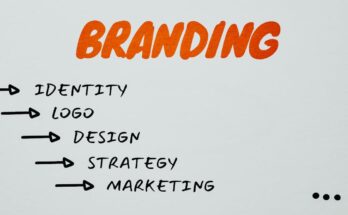
Before you start posting memes or buying ads, you need a solid identity. Think of this as your brand’s personality. If your brand were a person at a dinner party, how would they sound? Are they professional and authoritative, or fun and quirky? You need to define your mission and your visual style so that every interaction feels like it comes from the same source.
Knowing Exactly Who You Are Talking To
Trying to market to everyone is the fastest way to market to no one. Imagine you are casting a wide net in the ocean; you might catch a few things, but you will mostly get seaweed. Instead, use a fishing rod to target exactly the kind of customer who needs your solution. Create a buyer persona that details their age, interests, pain points, and where they spend their time online.
Your Website Is Your Digital Storefront
Your website is the only piece of digital real estate you actually own. Social media platforms can change their algorithms or ban your account overnight, but your website is yours. Ensure it is fast, mobile friendly, and easy to navigate. If a visitor lands on your page and cannot figure out what you do within five seconds, they will leave. Treat your website like a high end boutique, not a cluttered garage.
Mastering the Basics of SEO
Search Engine Optimization is not just about stuffing keywords into your text. It is about answering the questions your customers are actually asking. When someone searches for a solution on Google, you want to be the answer they find. Focus on long tail keywords that match specific search intent, and ensure your site structure is clean enough for search engines to crawl easily.
Developing a Content Strategy That Resonates
Content is the fuel for your online engine. Whether it is blog posts, videos, or infographics, your content needs to provide value. Stop shouting about your products and start talking about how you can solve problems. Ask yourself, does this piece of content teach, entertain, or inspire? If the answer is no, do not post it.
Choosing the Right Social Media Channels
Do you really need to be on every platform? Absolutely not. If you are selling B2B software, LinkedIn is your playground. If you are selling handmade jewelry, Instagram or Pinterest is where the action is. Focus on doing two or three platforms exceptionally well rather than spreading yourself thin across six channels that you cannot maintain.
The Power of Consistency Across Platforms
Imagine if your favorite soda brand changed its logo and color scheme every single week. You would be confused and probably wouldn’t trust them. Your brand voice, colors, and messaging must remain consistent across your website, emails, and social media. Consistency builds familiarity, and familiarity builds trust.
Email Marketing: Building a Direct Line to Customers
Social media algorithms are fickle, but your email list is your gold mine. It is the only channel where you have a direct, unfiltered line to your audience. Encourage people to sign up for your newsletter by offering something of value, like a free guide or an exclusive discount. Treat your email subscribers like VIPs, not just numbers on a list.
Leveraging Paid Advertising for Growth
Organic growth is great, but it takes time. Paid ads are like throwing gasoline on a fire that is already burning. Start with small budgets on platforms like Google or Meta to test what works. Once you find a message that converts, scale your budget. Do not throw money at ads until your organic strategy has proven what resonates with your audience.
Tracking Success Through Data and Analytics
If you are not tracking your numbers, you are flying blind. Use tools like Google Analytics to see where your traffic comes from and what visitors do once they arrive. Are they clicking your call to action? Are they bouncing off the page immediately? Let the data tell you the truth, even if it is uncomfortable.
Engaging Your Community Like a Pro
Social media is meant to be social. If someone comments on your post, reply to them. If they send a message, acknowledge it. Many brands act like a broadcasting tower, shouting information outward. Be a conversation partner instead. When you interact with your audience, you transform them from casual followers into loyal brand advocates.
Building Trust Through Influencer Partnerships
Word of mouth is the strongest marketing tool in existence. Partnering with influencers who align with your brand allows you to borrow their credibility. Look for micro influencers who have smaller but highly engaged audiences. Their endorsement often feels more genuine and converts better than a celebrity with millions of passive followers.
Managing Your Online Reputation
What happens when you get a bad review? Do not panic. How you respond to criticism is more important than the criticism itself. Address the issue publicly with empathy and offer a solution. People appreciate transparency and are often more impressed by how a business handles a mistake than if they had never made one in the first place.
Adapting to Future Digital Trends
The digital landscape changes faster than a lightning storm. From artificial intelligence to voice search and short form video, there is always something new on the horizon. Stay curious and be willing to experiment. You do not need to jump on every fad, but you must be willing to evolve as your audience’s habits change.
Conclusion
Creating a strong online presence is not a sprint, it is a marathon. It requires patience, testing, and a deep understanding of who you are and who you serve. By building a solid website, engaging consistently with your audience, and letting data guide your decisions, you will slowly but surely transform your business into a digital force. Keep your focus on providing value, keep your tone authentic, and remember that behind every screen is a real person waiting to connect with a brand they can trust.
Frequently Asked Questions
1. How long does it take to see results from online marketing?
Most strategies take three to six months to show significant traction. It depends on your industry and how much effort you put into consistency.
2. Should I hire an agency or do it myself?
If you have more time than money, start by doing it yourself to understand the mechanics. If you have more money than time and want faster results, hiring a pro is a wise investment.
3. How often should I post on social media?
Frequency matters less than quality. It is better to post twice a week with high quality, engaging content than to post every day with fluff that no one cares about.
4. Is SEO dead because of AI?
Not at all. SEO is evolving. Instead of just chasing keywords, focus on being the most helpful, authoritative source of information for your topic.
5. How do I know if my online marketing is working?
Look at your conversions, such as website signups, sales, or lead inquiries. Likes and followers are vanity metrics; money in the bank and leads in the pipeline are reality metrics.